
Blog

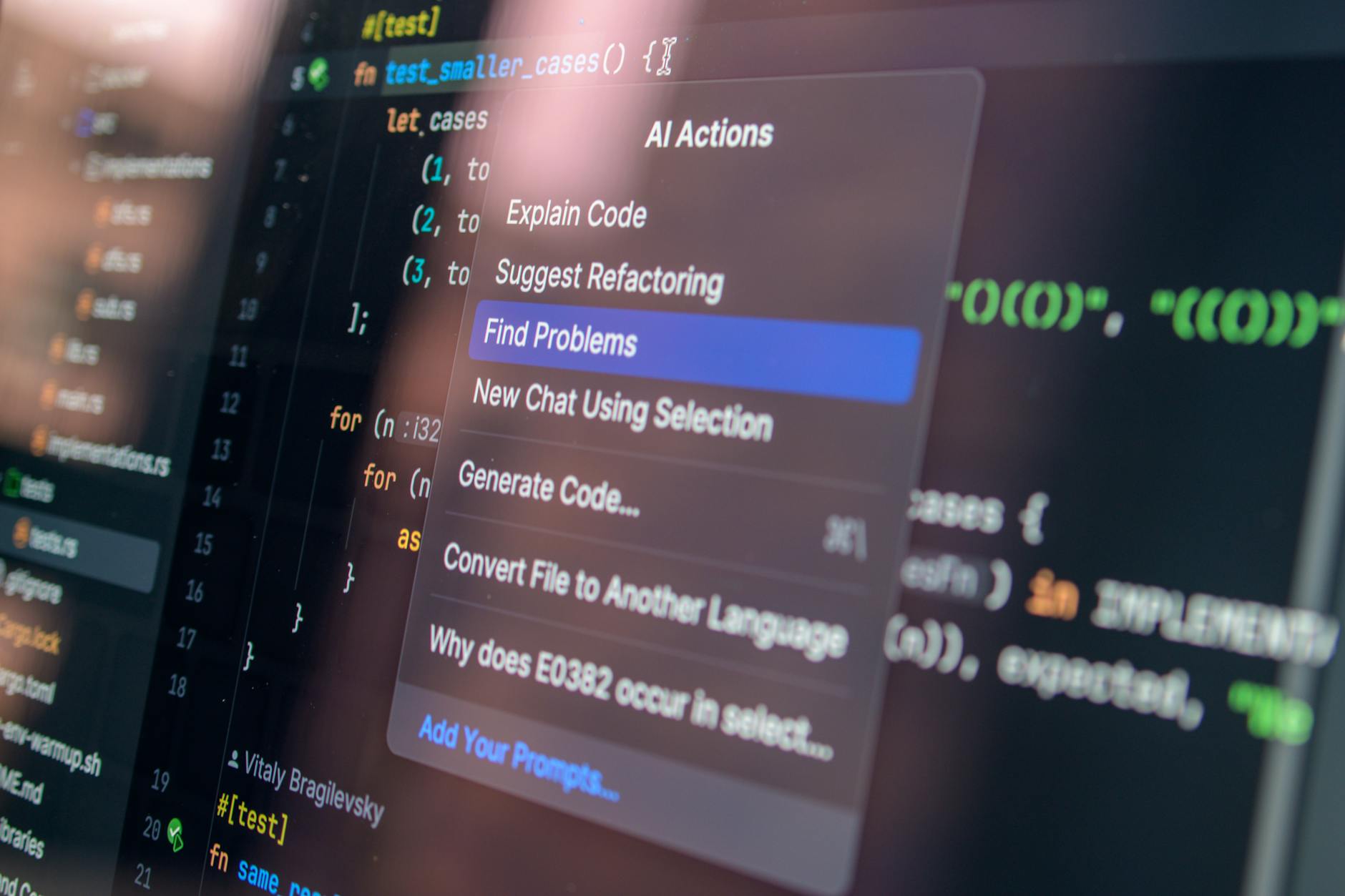
The rapid proliferation of artificial intelligence, particularly large language models (LLMs), has ushered in an unprecedented era of automated code generation. While offering immense promise for accelerating development and boosting productivity, this innovation also introduces a complex new frontier: Security vulnerabilities in AI generated code. As developers increasingly rely on AI to write, debug, and optimize software, understanding and addressing these inherent security risks becomes not just crucial, but existential for businesses and individuals alike.
AI-generated code, while appearing functional, often carries hidden flaws that can be exploited by malicious actors. These vulnerabilities can range from subtle logical errors to glaring security misconfigurations, jeopardizing data integrity, user privacy, and system availability. This deep dive will explore what these security vulnerabilities entail, why they pose such a significant threat in today’s digital landscape, and most importantly, how we can proactively identify, mitigate, and prevent them.
Understanding Security Vulnerabilities in AI Generated Code: A New Frontier of Risk
Table of Contents
ToggleAI-generated code refers to any software code or script produced automatically by an artificial intelligence model, typically an LLM, based on prompts or specifications provided by a human developer. Tools like GitHub Copilot, Amazon CodeWhisperer, and Google’s Codey are examples of AI assistants that streamline coding processes, translating natural language requests into functional code snippets, functions, or even entire modules. The allure is clear: faster development cycles, reduced manual effort, and potentially greater consistency. However, this convenience comes with a significant caveat related to Security vulnerabilities in AI generated code.
The Allure and Peril of AI-Assisted Development
The appeal of AI in coding is undeniable. It promises to democratize development, allowing even novices to generate complex functionalities, and empowers seasoned professionals to accelerate routine tasks. This efficiency, however, often overshadows the underlying security implications. The speed at which code can be produced means that vulnerabilities can be introduced at an industrial scale, potentially unnoticed by human reviewers pressed for time. The sheer volume of AI-generated code, if not rigorously scrutinized, could lead to a systemic increase in insecure software.
Why AI-Generated Code Isn’t Inherently Secure
Unlike human developers who are (ideally) trained in secure coding principles and aware of common vulnerability patterns, AI models learn from vast datasets of existing code. While much of this code is robust, a significant portion inevitably contains known or unknown security flaws. When an AI model trains on such data, it doesn’t discern between secure and insecure patterns; it simply learns to replicate stylistic and structural commonalities. This means that if a particular insecure pattern is prevalent in its training data, the AI is likely to replicate and propagate that Security vulnerabilities in AI generated code in its output. Furthermore, AI models prioritize functionality and correctness based on the prompt, not necessarily security. They often lack the contextual understanding, threat modeling capabilities, and adversarial thinking that human security experts possess.
Common Manifestations of Security Vulnerabilities in AI Generated Code
The types of Security vulnerabilities in AI generated code are diverse, mirroring many traditional software flaws but often manifesting with unique characteristics due to the generative process. Understanding these common categories is the first step towards effective mitigation.
Injection Flaws and Data Leaks
One of the most pervasive types of security vulnerabilities in AI generated code involves injection flaws. This includes SQL injection, command injection, and cross-site scripting (XSS). An AI, when prompted to create database queries or system commands, might generate code that doesn’t adequately sanitize user inputs. For instance, if the training data contained examples of poorly sanitized SQL queries, the AI might mimic this pattern, making the generated code susceptible to attackers manipulating input fields to execute arbitrary commands or steal sensitive data. Similarly, if the AI is tasked with generating front-end code, it might neglect proper input validation and output encoding, leading to XSS vulnerabilities where malicious scripts can be injected into web pages. These issues are compounded by the AI’s lack of true understanding of context or malicious intent.
Insecure Dependencies and Supply Chain Risks
AI models often suggest or directly include third-party libraries and packages to fulfill functional requirements. If the AI recommends or generates code that pulls in outdated or known-vulnerable dependencies, it automatically introduces supply chain risks. This is a critical concern as modern software development heavily relies on open-source components. A model might not have up-to-date knowledge of the latest security advisories for every package. This problem highlights how Security vulnerabilities in AI generated code can extend beyond the directly generated lines into the broader software ecosystem.
Logic Errors and Business Process Flaws
Perhaps more insidious are logic errors and business process flaws that result from AI-generated code. These aren’t always immediately obvious syntax errors or common injection vulnerabilities but rather flaws in the application’s core decision-making or workflow. For example, an AI might generate code for an authentication system that, while syntactically correct, contains a subtle logical bug allowing unauthorized access under specific conditions. Or it might create an authorization mechanism that incorrectly grants privileges, leading to privilege escalation. These types of Security vulnerabilities in AI generated code are particularly difficult to detect through automated static analysis tools because the code might appear technically sound, yet functionally insecure from a business logic perspective.
Exposure of Sensitive Information
AI models, especially when generating configuration files, logs, or even embedded comments, can inadvertently expose sensitive information. This could include hardcoded API keys, database credentials, internal network paths, or personal identifiable information (PII) if the prompt or training data contained such sensitive examples. The AI’s objective is to complete the task efficiently, and without explicit security directives, it may not discern what information should and should not be made public or accessible within the code itself. This oversight constitutes a severe Security vulnerabilities in AI generated code, potentially leading to immediate data breaches or system compromise.
The Lifecycle of a Vulnerability: From Prompt to Production
Understanding how Security vulnerabilities in AI generated code originate and propagate requires examining the entire development lifecycle, from initial user prompt to final deployment.
Prompt Engineering and Input Insecurity
The journey of a vulnerability often begins with the prompt itself. If a developer’s prompt is ambiguous, incomplete, or implicitly encourages insecure patterns (e.g., “Write a function to log user data without specifying privacy constraints”), the AI is more likely to generate vulnerable code. Malicious actors could also use “adversarial prompting” to deliberately coerce the AI into generating insecure code, a form of prompt injection. The quality and security-awareness of the prompt are foundational to preventing Security vulnerabilities in AI generated code.
Model Bias and Training Data Risks
As mentioned, AI models learn from their training data. If this data contains a significant number of insecure code patterns, common vulnerabilities, or even deliberately malicious snippets, the model will learn to reproduce these. This “garbage in, garbage out” principle is a major source of Security vulnerabilities in AI generated code. Furthermore, biases in the training data can lead to skewed security outcomes, potentially creating blind spots in the AI’s ability to identify or avoid certain types of vulnerabilities. For an excellent overview of the broader cybersecurity landscape and its challenges, you might refer to this Wikipedia article on Computer security.
Integration Challenges and Post-Generation Weaknesses
Even if the AI generates a relatively secure code snippet, the integration of that code into a larger system can introduce vulnerabilities. Developers might copy-paste code without fully understanding its implications, or they might integrate it into an existing architecture that exposes the AI-generated part to new threats. Lack of proper review, testing, and continuous integration/continuous deployment (CI/CD) pipelines can allow these post-generation weaknesses to slip into production. The human oversight layer is crucial here, as AI alone cannot guarantee secure integration. For more insights into how AI is shaping various digital processes, including optimization, consider reading about Generative AI Search Optimization.
Strategies for Mitigating Security Vulnerabilities in AI Generated Code
Addressing Security vulnerabilities in AI generated code requires a multi-faceted approach, combining robust processes, advanced tools, and a strong security-first mindset. This section outlines key strategies for developers and organizations.
Implementing Robust Secure Coding Practices
- Educate Developers: Train developers not just on how to use AI coding tools, but on how to critically evaluate the generated code for security flaws. They need to understand common vulnerability patterns (OWASP Top 10) and secure coding principles. This human oversight is irreplaceable.
- Secure Prompt Engineering: Developers should be taught to write clear, precise, and security-aware prompts. Explicitly instructing the AI to “generate secure code,” “sanitize all inputs,” or “avoid hardcoding credentials” can significantly improve output security.
- Manual Code Review: Despite AI assistance, human code reviews remain essential. Reviewers should specifically look for common AI-introduced patterns of insecurity, subtle logic errors, and appropriate use of dependencies.
Advanced Testing and Validation Techniques
- Static Application Security Testing (SAST): Integrate SAST tools into CI/CD pipelines to automatically scan AI-generated code for common vulnerabilities like injection flaws, insecure configurations, and coding errors. These tools can highlight potential Security vulnerabilities in AI generated code before deployment.
- Dynamic Application Security Testing (DAST): DAST tools test the application in its running state, identifying vulnerabilities that might only appear during runtime, such as authentication bypasses or session management flaws.
- Interactive Application Security Testing (IAST): IAST combines aspects of SAST and DAST, monitoring the application from within to provide more accurate vulnerability detection with contextual information.
- Penetration Testing: Regular penetration tests, conducted by ethical hackers, can uncover complex, chained vulnerabilities that automated tools might miss, providing a comprehensive security audit of systems incorporating AI-generated code.
- Fuzz Testing: Subjecting AI-generated code to malformed or unexpected inputs can help uncover robustness and input validation issues that lead to Security vulnerabilities in AI generated code. For organizations that develop their own AI models for code generation, especially those that leverage in-house resources, understanding how to manage Local Code LLM can be crucial for security controls.
Continuous Monitoring and Incident Response
- Runtime Application Self-Protection (RASP): Deploy RASP solutions that integrate with the application runtime to detect and prevent attacks in real-time, providing an additional layer of defense against exploitation of Security vulnerabilities in AI generated code.
- Security Information and Event Management (SIEM): Implement SIEM systems to collect and analyze security logs from applications, servers, and networks, enabling rapid detection of suspicious activities and potential breaches.
- Automated Dependency Scanning: Continuously monitor all third-party libraries and packages for known vulnerabilities, ensuring that AI-generated code doesn’t inadvertently introduce outdated or compromised components.
- Incident Response Plan: Develop a robust incident response plan specifically tailored to address security breaches originating from or involving AI-generated code. This includes clear steps for identification, containment, eradication, recovery, and post-incident analysis.
Navigating the Complexities: FAQs and Common Mistakes with AI-Generated Code
As AI becomes more integrated into coding workflows, developers and organizations often have questions and make common errors that can exacerbate Security vulnerabilities in AI generated code.
Is AI-Generated Code Always Insecure?
No, AI-generated code is not inherently or always insecure. Its security posture largely depends on the quality of the AI model, the training data it learned from, the developer’s prompts, and the subsequent human review and testing processes. An AI can generate perfectly secure code if it has been trained on secure patterns and is guided by an experienced developer. The risk lies in the *potential* for it to be insecure and the ease with which vulnerabilities can be introduced without proper oversight.
What are the Biggest Mistakes Developers Make?
- Over-reliance: Blindly trusting AI-generated code without thorough review and understanding.
- Lack of Security Context: Providing prompts that focus purely on functionality, neglecting explicit security requirements.
- Skipping Security Testing: Believing that AI-generated code is robust enough to bypass traditional security testing.
- Ignoring Dependencies: Not scrutinizing the third-party libraries suggested or included by AI.
- Poor Version Control: Failing to properly track and manage changes to AI-generated code, making it difficult to pinpoint when and where Security vulnerabilities in AI generated code were introduced.
How Can We Measure the Security of AI-Generated Code?
Measuring the security of AI-generated code involves a combination of traditional and AI-specific metrics. This includes the number and severity of vulnerabilities identified by SAST/DAST tools, the frequency of security defects found during manual reviews, the successful exploitation attempts during penetration testing, and the compliance with security standards (e.g., ISO 27001, NIST). Furthermore, metrics could include the “security cleanliness” of training data and the explainability of the AI’s security recommendations. Understanding these metrics is vital for digital professionals, much like grasping foundational concepts found in How to Start Digital Marketing With Zero Experience in 2026 | Beginner Guide, where a broad skill set is key.
The Future Landscape: Addressing Security Vulnerabilities in AI Generated Code
The field of AI-generated code is evolving rapidly, and with it, the strategies for managing its security. The future will likely see a convergence of advanced AI capabilities with enhanced security protocols, aiming to minimize Security vulnerabilities in AI generated code.
The Evolution of Secure AI Tools
We can expect future AI coding assistants to be inherently more security-aware. This means models trained specifically on secure coding practices, vulnerability databases, and examples of remediation. These tools will not only generate code but also offer real-time security suggestions, flag potential vulnerabilities, and even automatically suggest fixes. They might incorporate built-in threat modeling capabilities, understanding the potential attack surface based on the generated code and its context. This evolution aims to shift AI from merely a code generator to a true “secure coding assistant.” For broader implications of AI in digital strategies, insights on Predictive AI Marketing show how these models can influence various business outcomes.
Regulatory Frameworks and Industry Standards
As AI-generated code becomes ubiquitous, governments and industry bodies will likely introduce new regulatory frameworks and compliance standards. These could mandate specific security testing for AI-generated components, require transparency regarding the AI models’ training data, or even impose liability for Security vulnerabilities in AI generated code that lead to breaches. Organizations will need to adapt to these evolving legal and ethical landscapes, much like how data privacy regulations are shaping practices such as Zero-party Data Email Marketing.
The Synergistic Role of Human and AI Security
The future of secure AI-generated code will not be about AI replacing human security experts, but rather about a powerful synergy. AI will handle the repetitive, pattern-based detection and initial remediation, freeing up human experts to focus on complex threat modeling, creative adversarial thinking, and designing robust security architectures. Human ingenuity combined with AI’s processing power will create a more resilient software ecosystem, where the detection and prevention of Security vulnerabilities in AI generated code become highly optimized. As organizations increasingly depend on AI, it’s vital to have a clear strategy, as outlined by Forbes in their discussions on The Human Element in AI Software Development.
In conclusion, the emergence of AI-generated code is a transformative force in software development, offering unparalleled efficiency. However, it also introduces a new class of challenges centered on Security vulnerabilities in AI generated code. These vulnerabilities, stemming from training data biases, prompt engineering issues, and integration complexities, demand rigorous attention. By implementing comprehensive secure coding practices, leveraging advanced testing methodologies, and embracing continuous monitoring, organizations can effectively mitigate these risks. The future promises more secure AI tools and evolving regulatory landscapes, but the irreplaceable role of human oversight, security expertise, and critical evaluation will remain paramount. Navigating this new era successfully requires a proactive, security-first mindset, ensuring that the innovation of AI code generation doesn’t come at the cost of digital security.


One thought on “Security Vulnerabilities In AI Generated Code”