
Blog

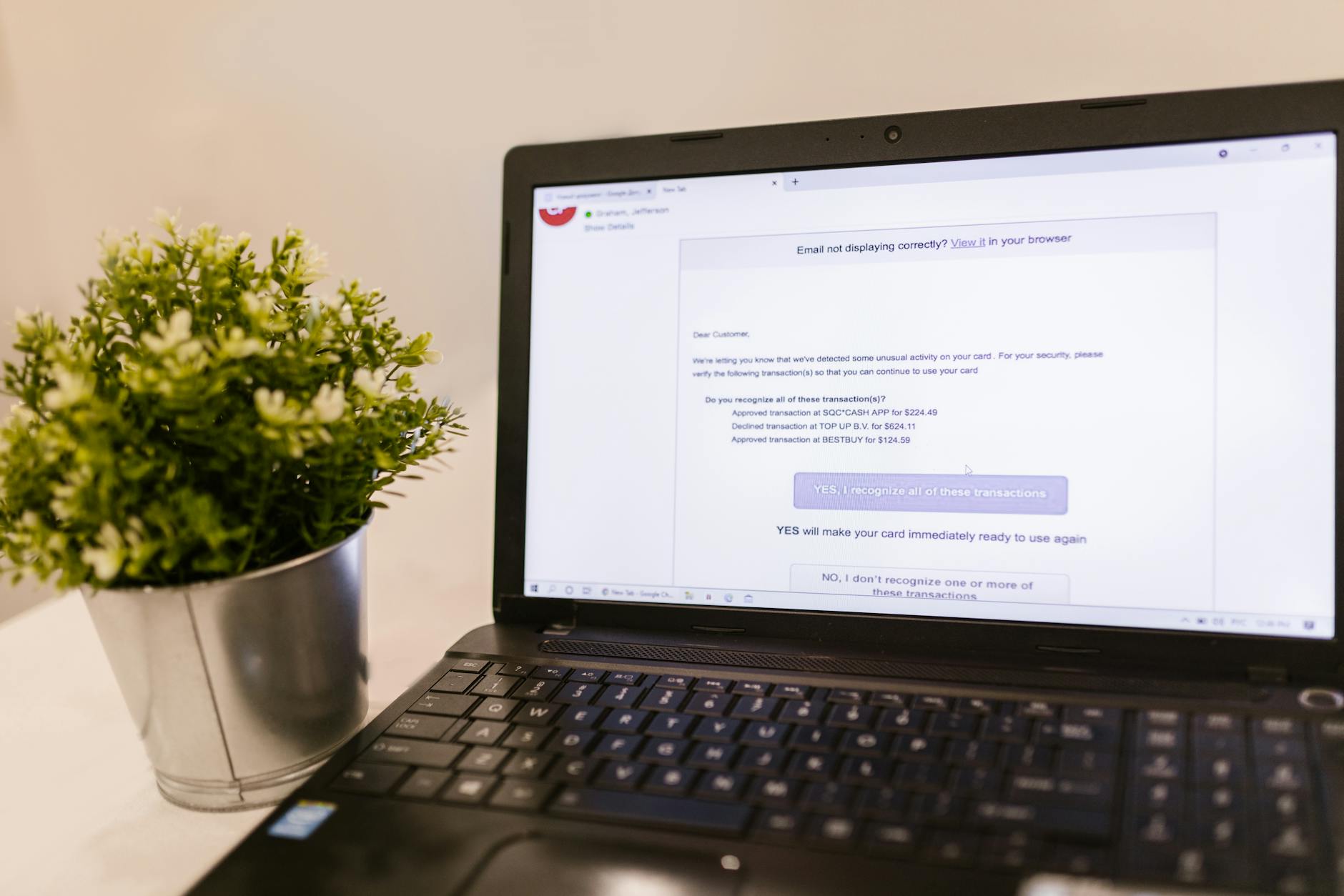
In an increasingly privacy-conscious and personalization-driven digital landscape, Zero-party data email marketing stands out as a transformative strategy for businesses globally. This approach, centered around data explicitly and proactively shared by customers, redefines the relationship between brands and their audience, moving beyond inferred behaviors to direct stated preferences and intentions. It’s not just about compliance; it’s about building deeper trust and delivering genuinely relevant experiences that resonate with individual needs and desires. For any marketer serious about future-proofing their email campaigns, understanding and implementing zero-party data is no longer optional—it’s imperative.
What is Zero-Party Data and Why It’s Crucial for Email Marketing?
Table of Contents
ToggleZero-party data refers to information that a customer intentionally and proactively shares with a brand. This includes preference data, purchase intentions, personal context, and how they wish the brand to recognize them. Unlike first-party data, which is observed (e.g., website clicks, purchase history), or third-party data, which is aggregated and often bought, zero-party data is volunteered directly. Think of it as the customer explicitly telling you what they like, what they want, and how they want to be served.
The significance of zero-party data in the realm of Zero-party data email marketing cannot be overstated. In an era where data privacy regulations like GDPR and CCPA are becoming stricter, and consumers are increasingly wary of how their data is collected and used, zero-party data offers a transparent and ethical alternative. It puts the consumer in control, fostering a relationship built on trust rather than surveillance.
The Data Hierarchy: Zero-Party vs. Other Data Types
- Zero-Party Data: Explicitly given by the customer (e.g., “I prefer to receive emails about outdoor gear, not electronics”). It’s data about intentions and preferences.
- First-Party Data: Collected directly by your business from your own properties (e.g., website visits, purchase history, email opens). It’s data about actions.
- Second-Party Data: Essentially someone else’s first-party data shared directly with you, typically through a partnership.
- Third-Party Data: Collected by an entity that doesn’t have a direct relationship with the consumer and then sold or licensed (e.g., demographic data from data brokers). This type of data is increasingly problematic due to privacy concerns and accuracy issues.
The shift towards zero-party data is driven by several critical factors: the erosion of third-party cookies, growing consumer demand for personalized experiences, and the need for greater data accuracy. When customers tell you what they want, your email campaigns cease to be guesswork and become hyper-relevant, leading to higher open rates, click-through rates, and conversions. This direct line of communication is the cornerstone of effective Zero-party data email marketing.
The Pillars of Effective Zero-Party Data Email Marketing
To truly harness the power of Zero-party data email marketing, businesses must build their strategies around several foundational principles. These pillars ensure that data collection is not just efficient but also respectful, valuable, and ultimately beneficial for both the brand and the customer.
Transparency and Trust
At the heart of zero-party data lies trust. Customers will only share their valuable preferences if they understand why you’re asking for the information and how it will be used to enhance their experience. Brands must be upfront about their data collection practices, clearly explaining the value exchange. This transparency builds credibility and strengthens the customer relationship, which is paramount for sustainable engagement in email marketing.
Value Exchange and Reciprocity
No one gives away information for free. For successful Zero-party data email marketing, there must be a clear and compelling value proposition for the customer. This could be anything from receiving more relevant product recommendations, access to exclusive content, personalized discounts, or a more streamlined service experience. The value exchange should be immediate and tangible, demonstrating to the customer that their shared preferences directly translate into a better, more tailored experience.
Hyper-Personalization at Scale
With zero-party data, you move beyond generic segments to individual-level personalization. Knowing exactly what a customer wants allows you to craft emails that speak directly to their interests, pain points, and aspirations. This can manifest in highly targeted product recommendations, custom content suggestions, preferred communication channels, or even ideal email frequency. This level of personalization, powered by explicit customer input, is incredibly effective and distinguishes brands that truly understand their audience.
Robust Preference Centers
A well-designed preference center is a non-negotiable component of a strong Zero-party data email marketing strategy. It empowers subscribers to manage their communication preferences, including the types of content they receive (e.g., promotions, newsletters, new product alerts), product categories they’re interested in, their preferred email frequency, and even their birthday. This not only gathers valuable data but also significantly reduces unsubscribe rates by giving control back to the user. It is a continuous source of zero-party data, allowing preferences to evolve with the customer.
Progressive Profiling
Instead of overwhelming customers with a long form upfront, progressive profiling involves collecting small pieces of zero-party data over time. For example, during signup, you might just ask for their main interest. Later, in a welcome series email, you might ask about their preferred communication frequency or specific product categories. This approach makes the data collection process less intrusive and more organic, gradually building a richer customer profile without causing friction. It’s a smart way to enrich your data for subsequent Zero-party data email marketing campaigns.
Strategies for Collecting Zero-Party Data for Email Marketing
The effectiveness of your Zero-party data email marketing hinges on your ability to creatively and ethically collect this valuable information. Here are some proven strategies to encourage your audience to share their preferences and intentions directly with you.
Interactive Quizzes and Surveys
Interactive quizzes and surveys are fantastic tools for gathering zero-party data because they are engaging and often perceived as fun rather than work. A “Find Your Perfect Product” quiz, a “What’s Your Style?” questionnaire, or a simple survey asking about content preferences can reveal a wealth of information. For instance, a beauty brand could ask about skin type, concerns, and preferred product categories. Make sure the output of the quiz is useful to the customer (e.g., personalized recommendations) to complete the value exchange. The insights gained here are invaluable for tailoring your future Zero-party data email marketing efforts.
Dedicated Preference Centers
As mentioned earlier, a preference center isn’t just a place for subscribers to opt-out; it’s a dynamic tool for collecting zero-party data. Allow users to update interests, communication frequency, formats they prefer (e.g., video, text, images), and even demographic details they are comfortable sharing. Promoting this preference center periodically in your emails reminds subscribers of their control and encourages updates, ensuring your Zero-party data email marketing remains relevant.
On-site Polls and Pop-ups with Purpose
Strategic on-site polls and pop-ups can capture real-time intent and preferences without being overly intrusive. Instead of generic “sign up for our newsletter” pop-ups, consider questions like “What are you shopping for today?” with category options, or “What kind of content would help you most right now?” These are contextually relevant and provide immediate value to the user by guiding them. This data can then be used to personalize their browsing experience and subsequent email communications. Such direct queries are a direct path to acquiring useful data for Zero-party data email marketing.
Contests, Giveaways, and Exclusive Content
People love a good deal or the chance to win something. Use contests or giveaways as an opportunity to collect zero-party data by including preference questions in the entry form. For example, “Tell us your favorite product category to enter to win a gift card!” or “Which upcoming feature are you most excited about?” The allure of a prize provides a strong incentive for sharing. Similarly, offering exclusive content (e.g., a special report or webinar) in exchange for specific preference data can be highly effective for building your zero-party profile for Zero-party data email marketing.
Enhanced Welcome Sequences
The welcome email series is a prime opportunity to initiate the collection of zero-party data. After a user signs up, your first few emails can gently guide them through a process of sharing their preferences. Instead of just sending a generic “welcome,” ask a simple question in the email or link to a quick survey. For example, “To help us send you the best content, tell us what you’re interested in!” or “What goal are you hoping to achieve with our product?” This sets the tone for a personalized experience right from the start of your Zero-party data email marketing relationship.
Profile Update Prompts and Gamification
Encourage existing subscribers to update their profiles by occasionally sending emails that highlight the benefits of doing so. Gamification elements, such as progress bars or small rewards for completing profile sections, can make the process more engaging. For example, “Complete your profile to unlock X% off your next purchase!” These ongoing efforts ensure your zero-party data remains current and useful for continuous Zero-party data email marketing optimization.
Implementing Zero-Party Data Email Marketing: A Step-by-Step Guide
Transitioning to a robust Zero-party data email marketing strategy requires careful planning and execution. This step-by-step guide will walk you through the process, from defining your needs to continuous optimization.
Step 1: Define Your Data Needs and Goals
Before you start collecting, clearly identify what zero-party data is most valuable for your specific business and email marketing objectives. What information will genuinely help you personalize emails, improve product recommendations, or segment your audience more effectively? Avoid asking for data just because you can; focus on actionable insights. For instance, an e-commerce store might need product category preferences and budget ranges, while a SaaS company might need user roles and primary challenges. Defining these needs is the first critical step in effective Zero-party data email marketing.
Step 2: Choose Your Collection Methods and Tools
Based on your defined data needs, select the most appropriate collection methods. Will you use interactive quizzes, surveys, preference centers, or a combination? Identify the tools you’ll need to implement these methods. This could include survey platforms (e.g., Typeform, SurveyMonkey), quiz builders (e.g., Interact), or a robust email service provider (ESP) with built-in preference center functionalities. Ensure these tools can integrate with your existing marketing stack.
Step 3: Craft Your Value Proposition and Messaging
Develop compelling messaging that clearly communicates the value exchange to your customers. Why should they share their data with you? What specific benefits will they receive? Use language that emphasizes enhanced personalization, relevance, and a better overall experience. For example, “Tell us your preferences so we can send you deals on products you’ll truly love,” or “Help us tailor your content to exactly what you need.” This messaging is crucial for driving participation in your Zero-party data email marketing initiatives.
Step 4: Integrate Data into Your ESP/CRM
This is a critical technical step. Ensure that the zero-party data you collect flows seamlessly into your Email Service Provider (ESP) or Customer Relationship Management (CRM) system. This often involves setting up custom fields, tags, or segments based on the collected preferences. If data is isolated, it cannot be effectively used for personalization. Many modern ESPs offer native integrations or APIs to facilitate this. For advanced integration and predictive capabilities, consider how this data can feed into systems that leverage Predictive AI Marketing to further refine your targeting.
Step 5: Segment and Personalize Your Campaigns
Once the zero-party data is integrated, the real work of personalization begins. Create highly specific segments based on the preferences your customers have shared. Design email campaigns, content, and offers that directly align with these segments. For example, if a customer states they are interested in “vegan recipes,” send them emails exclusively featuring plant-based content and products. This granular segmentation, powered by zero-party data, is the pinnacle of effective Zero-party data email marketing.
Step 6: Test, Optimize, and Iterate
Zero-party data email marketing is an ongoing process. Continuously test different collection methods, value propositions, and personalization strategies. A/B test subject lines, content blocks, and call-to-actions based on different data points. Monitor key metrics like open rates, click-through rates, conversion rates, and unsubscribe rates. Use these insights to refine your approach, ask new questions, and further enhance the personalization of your email communications. Explore how emerging technologies like Local Code LLM could assist in analyzing data trends and automating content generation based on these explicit preferences.
Common Pitfalls and Best Practices in Zero-Party Data Email Marketing
While Zero-party data email marketing offers immense opportunities, there are common mistakes that can derail your efforts. Understanding these pitfalls and adhering to best practices is crucial for long-term success.
Common Pitfalls to Avoid:
- Asking for Too Much, Too Soon: Overwhelming new subscribers with a lengthy questionnaire right after signup can lead to abandonment. Employ progressive profiling instead.
- Lack of Clear Value Proposition: If customers don’t understand how sharing data benefits them, they won’t share it. Be explicit about the value exchange.
- Poor Data Integration: Collecting data but failing to integrate it into your ESP/CRM makes it useless for personalization. Ensure seamless data flow.
- Neglecting Data Privacy and Security: Failing to protect the data entrusted to you can destroy trust and lead to regulatory penalties. Adhere to all data protection laws.
- Static Data Collection: Preferences change over time. If you only collect data once, it quickly becomes outdated. Provide opportunities for updates.
- Failing to Act on the Data: Collecting zero-party data is pointless if you don’t actually use it to personalize communications. The proof is in the personalized pudding!
Best Practices for Zero-Party Data Email Marketing:
- Be Transparent and Honest: Clearly explain what data you’re collecting, why, and how it will be used to improve their experience. This builds fundamental trust, as highlighted by sources like Wikipedia’s entry on data privacy.
- Offer Tangible Value: Ensure there’s a clear, desirable benefit for the customer in exchange for their data. Make it worth their while.
- Start Small and Iterate: Begin with simple questions and gradually expand as you build trust and demonstrate value.
- Make it Engaging and Fun: Use quizzes, polls, and interactive elements to make data collection an enjoyable experience.
- Prioritize Privacy and Security: Implement robust security measures and strictly adhere to data privacy regulations (e.g., GDPR, CCPA).
- Provide Easy-to-Use Preference Centers: Empower customers to easily manage and update their preferences at any time.
- Segment Rigorously: Leverage the zero-party data to create highly granular segments and tailor content accordingly.
- Continuously Test and Optimize: Regularly review the performance of your Zero-party data email marketing campaigns and refine your strategies based on insights.
- Integrate with Customer Journey: Weave zero-party data collection into various touchpoints of the customer journey, from onboarding to post-purchase, to continuously enrich profiles.
- Train Your Team: Ensure all relevant teams understand the value and proper handling of zero-party data. For those just starting out in the field, foundational knowledge from guides like How to Start Digital Marketing With Zero Experience in 2026 can be very helpful.
The Future of Zero-Party Data Email Marketing
The trajectory for Zero-party data email marketing is one of increasing sophistication, deeper integration, and greater consumer empowerment. As privacy regulations continue to evolve and consumers demand more control over their data, zero-party data will become an even more indispensable asset for brands aiming to build authentic relationships.
Hyper-Personalization Driven by AI and Machine Learning
While zero-party data provides explicit preferences, combining it with AI and machine learning will unlock a new era of hyper-personalization. AI can take expressed preferences and combine them with behavioral data (first-party) to predict future needs and anticipate desires even before the customer explicitly states them. For instance, if a customer states a preference for hiking gear (zero-party data) and AI observes frequent purchases of specific brands (first-party data), it can offer highly refined, almost clairvoyant, product recommendations. This fusion will make Zero-party data email marketing extraordinarily powerful. Harvard Business Review often highlights the strategic importance of this data in future business models.
Increased Regulatory Scrutiny and Consumer Demands
The global trend towards greater data privacy and consumer rights is only set to intensify. Regulations similar to GDPR and CCPA are likely to emerge in more regions, making explicit consent and transparent data practices non-negotiable. Zero-party data inherently aligns with these principles by placing the consumer at the center of data collection. Brands that master ethical Zero-party data email marketing will be better positioned to navigate future regulatory landscapes and earn enduring consumer trust.
Conversational Interfaces and Chatbots
The future will see more zero-party data collected through natural, conversational interactions. Chatbots, voice assistants, and interactive messaging apps will become sophisticated tools for understanding customer preferences in real-time. Instead of filling out forms, customers might answer a few quick questions in a chat, providing valuable insights that immediately feed into personalized email campaigns. This shift towards more intuitive data collection will make Zero-party data email marketing even more efficient and user-friendly.
Integration with Broader Customer Experience (CX) Strategies
Zero-party data will move beyond just email marketing and become a cornerstone of the entire customer experience. The preferences customers share will inform not just their email content but also their website experience, in-app interactions, customer service engagements, and even offline touchpoints. This holistic view, powered by explicit customer input, will enable brands to deliver a truly unified and personalized experience across all channels. This integrated approach elevates the role of Zero-party data email marketing within the overall business strategy.
A Shift from Quantity to Quality Data
The emphasis will increasingly be on collecting high-quality, actionable zero-party data rather than simply accumulating vast quantities of generic information. Brands will prioritize asking the right questions at the right time to gather precise insights that directly drive value. This focus on quality will lead to more efficient marketing spend, higher ROI, and ultimately, stronger customer relationships built on genuine understanding. This strategic shift underscores the enduring importance of Zero-party data email marketing as a sophisticated, consumer-centric approach.
Conclusion
Zero-party data email marketing is not merely a passing trend; it represents a fundamental shift in how brands interact with their customers in the digital age. By proactively seeking and respecting the explicit preferences of your audience, you move beyond mere guesswork to create genuinely relevant, highly personalized email campaigns that foster trust, loyalty, and engagement. In a world increasingly concerned with data privacy and saturated with generic marketing messages, the ability to listen directly to your customers’ needs and act upon them will be your most significant competitive advantage.
Embracing zero-party data isn’t just about compliance; it’s about building a sustainable marketing strategy that resonates deeply with individuals. It’s about demonstrating to your audience that you value their voice, understand their desires, and are committed to delivering experiences tailored just for them. For any business striving to build lasting connections and drive meaningful results through email, mastering the art and science of Zero-party data email marketing is the definitive path forward. Start investing in these strategies today, and watch your customer relationships, and your bottom line, flourish.


One thought on “Zero-party Data Email Marketing”