Blog

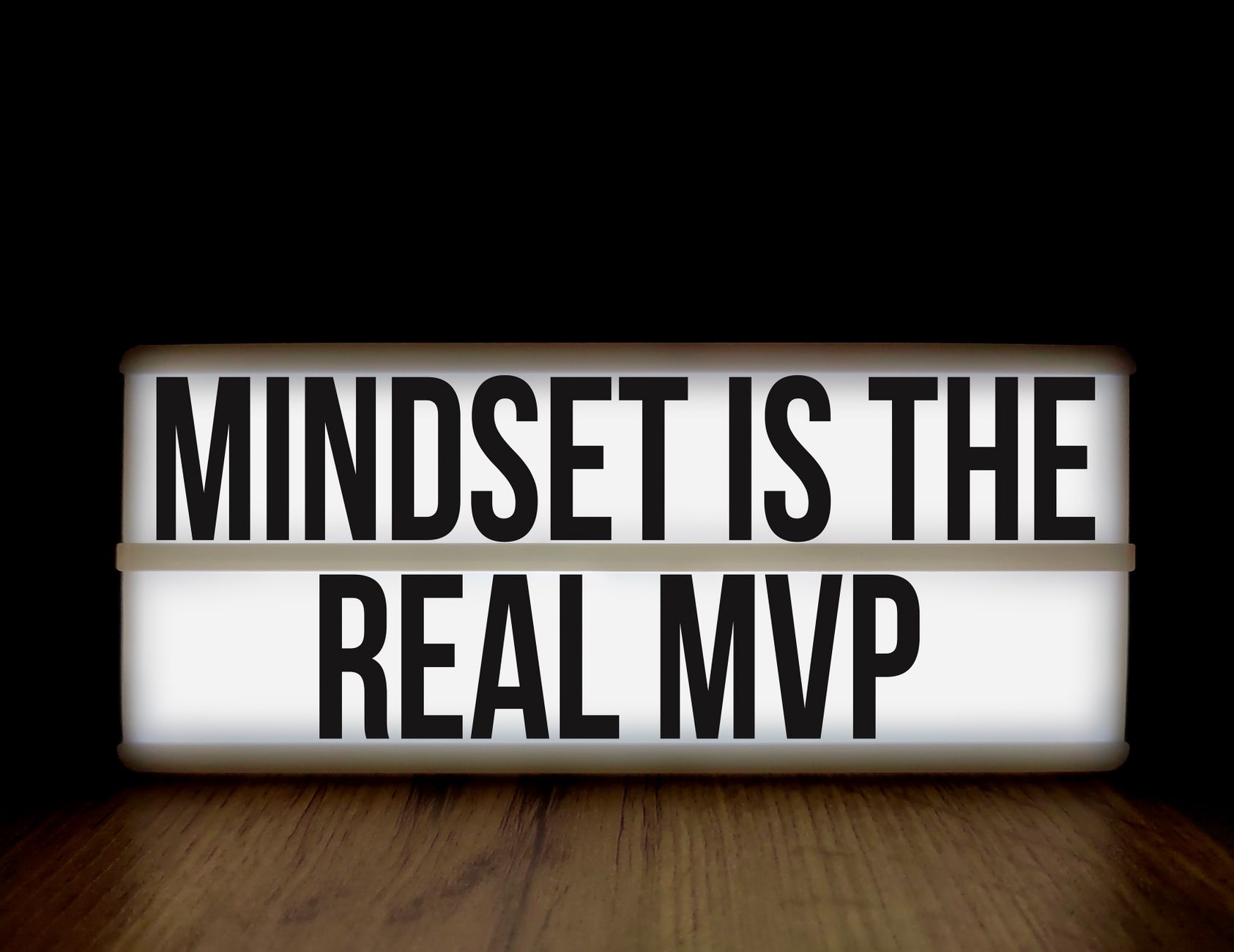
The Resilience Mindset is more than just a buzzword; it’s a fundamental approach to life that enables individuals, communities, and even nations to not only survive adversity but to emerge stronger and more capable. In an increasingly complex and unpredictable world, cultivating this mental fortitude is no longer a luxury but a vital necessity for global citizens seeking to thrive amidst constant change. This blog post will delve deep into what the Resilience Mindset truly entails, why it’s imperative in today’s interconnected society, and how you can actively cultivate it in your own life to foster lasting personal and professional growth.
Understanding the Resilience Mindset: What It Is & Why It Matters
Table of Contents
ToggleAt its core, the Resilience Mindset is the mental and emotional capacity to cope with a crisis or to return to pre-crisis status quickly. More profoundly, it’s the ability to adapt to difficult situations and bounce back from setbacks, challenges, and failures with renewed purpose and determination. It’s not about avoiding stress or hardship, but rather about developing the internal resources to navigate these experiences effectively, learning from them, and ultimately growing stronger as a result. Think of it not as an absence of struggle, but as the presence of strength and adaptability in the face of it.
Defining the Core Principles of the Resilience Mindset
A true Resilience Mindset is built upon several foundational principles:
- Adaptability: The ability to adjust to new conditions and situations quickly and effectively. This means being open to change and not rigid in your thinking or approach.
- Optimism: A general expectation that good things will happen, coupled with the belief that you have control over your own destiny. It’s not blind positivity but a hopeful outlook even when circumstances are challenging.
- Self-Efficacy: The belief in one’s own capacity to execute behaviors necessary to produce specific performance attainments. Simply put, it’s believing in your ability to succeed in a particular situation.
- Problem-Solving Skills: The capacity to identify issues, analyze potential solutions, and implement effective strategies to overcome obstacles.
- Emotional Regulation: The ability to manage and respond to an emotional experience. This involves understanding your feelings and choosing how to react to them in a constructive way.
- Perspective-Taking: The capacity to view situations from different angles, understanding that a setback is often just a moment in time and not a permanent state.
The Global Imperative for a Resilience Mindset
Why is the Resilience Mindset so crucial in our modern global context? The world is characterized by volatility, uncertainty, complexity, and ambiguity (VUCA). From economic downturns and geopolitical shifts to technological disruptions and global health crises, challenges are constant and often interconnected. Individuals, businesses, and even governments that lack a strong Resilience Mindset are more likely to crumble under pressure, suffer from burnout, or fail to innovate. Conversely, those who embrace it are better equipped to:
- Navigate Economic Fluctuations: Whether it’s job loss, market volatility, or starting a new venture, a resilient individual can pivot, learn new skills, and find new opportunities.
- Adapt to Technological Advancements: The rapid pace of technological change, including the rise of AI, demands continuous learning and adaptation. A resilient individual embraces these shifts, seeing them as opportunities rather than threats.
- Cope with Social and Environmental Changes: From climate change impacts to evolving social norms, a resilient person can adjust their lifestyle, perspective, and actions to contribute positively.
- Maintain Mental Well-being: In a world filled with stressors, the Resilience Mindset acts as a buffer against anxiety, depression, and overwhelm, promoting psychological health.
The ability to bounce back is not just about personal survival; it’s about collective progress. When more individuals possess a strong Resilience Mindset, entire communities and societies become more robust and capable of facing future unknowns.
The Pillars of a Strong Resilience Mindset
Building a robust Resilience Mindset is akin to constructing a sturdy building; it requires strong foundational pillars. These pillars work in concert, supporting an individual’s capacity to navigate difficulties and maintain well-being.
Self-Awareness and Emotional Regulation
Understanding your own thoughts, emotions, and behaviors is the first step towards managing them effectively. Self-awareness allows you to identify triggers, recognize stress signals, and understand your personal response patterns to adversity. Emotional regulation, then, is the practical application of this awareness, enabling you to choose how you react to situations rather than being impulsively controlled by your feelings. This could involve techniques like deep breathing, journaling, or simply pausing before responding. A key aspect of the Resilience Mindset is knowing when to lean into emotions and when to create a healthy distance.
Optimism and Positive Reappraisal
Optimism is not about ignoring reality; it’s about focusing on the potential for positive outcomes and believing in your ability to influence them. When faced with a setback, a resilient person engages in positive reappraisal, which means reframing challenging situations to find the learning opportunities, potential for growth, or silver lining. This doesn’t mean trivializing pain, but rather actively seeking a more constructive perspective. This pillar is essential for maintaining motivation and hope when things get tough, a defining characteristic of the Resilience Mindset.
Purpose and Meaning
Having a clear sense of purpose and meaning in life provides a powerful anchor during times of turmoil. When you know what truly matters to you, it becomes easier to endure hardships because you understand the ‘why’ behind your efforts. Whether it’s a personal mission, a commitment to family, or a contribution to a cause, a strong sense of purpose fuels perseverance and adds depth to the Resilience Mindset, making challenges feel less daunting and more navigable. As Viktor Frankl famously stated, “He who has a why to live for can bear almost any how.”
Adaptability and Flexibility
The world is constantly changing, and clinging to old ways of thinking or doing things can lead to frustration and failure. Adaptability involves being open to new ideas, adjusting plans when necessary, and embracing uncertainty as an inherent part of life. Flexibility in thought and action allows you to pivot when an initial approach isn’t working, explore alternative solutions, and remain resourceful. This active embrace of change is a cornerstone of the Resilience Mindset, enabling individuals to flow with challenges rather than being broken by them.
Strong Social Connections
Humans are social beings, and strong relationships provide vital support networks during times of stress. Connecting with others, whether friends, family, or community, offers emotional support, practical help, and different perspectives. Sharing burdens can lighten their weight, and celebrating successes together can amplify joy. A robust social network is a critical external resource for bolstering one’s internal Resilience Mindset, proving that resilience is not just an individual trait but often a collective endeavor. Building and nurturing these connections is paramount for sustained well-being.
Cultivating Your Resilience Mindset: A Step-by-Step Guide
Developing a strong Resilience Mindset is a journey, not a destination. It involves consistent effort, self-reflection, and the adoption of specific practices. Here’s a step-by-step guide to help you build and strengthen your capacity for resilience.
Step 1: Embrace Self-Reflection
Start by understanding your current responses to stress and adversity. How do you typically react? What are your automatic thoughts? Journaling, meditation, or simply taking time for quiet contemplation can help you gain insight into your emotional patterns and thought processes. Recognizing your strengths and areas for growth is the foundation for enhancing your Resilience Mindset.
Step 2: Develop Emotional Intelligence
Practice identifying and naming your emotions. Instead of saying “I feel bad,” try to pinpoint if it’s frustration, sadness, anger, or disappointment. Once you can name it, you can begin to manage it. Learn healthy coping mechanisms for difficult emotions, such as deep breathing exercises, physical activity, or talking to a trusted friend. Understanding and managing your emotional landscape is crucial for a strong Resilience Mindset.
Step 3: Practice Mindfulness and Stress Management
Incorporate mindfulness into your daily routine. This could be through formal meditation, mindful eating, or simply paying full attention to the present moment. Mindfulness helps you stay grounded and reduces the impact of overwhelming thoughts. Additionally, identify your primary stressors and develop personalized stress management techniques. This might include setting boundaries, delegating tasks, or engaging in hobbies that provide respite. Regularly managing stress protects and strengthens your Resilience Mindset.
Step 4: Build a Supportive Network
Actively cultivate and maintain relationships with people who uplift and support you. Seek out mentors, join communities, or simply nurture friendships where you feel safe to share your struggles and celebrate your successes. Having people to lean on during tough times, and to share different perspectives, significantly enhances your ability to bounce back. The collective strength of a supportive network is an invaluable asset to a burgeoning Resilience Mindset.
Step 5: Set Realistic Goals and Celebrate Small Wins
Break down larger challenges into smaller, manageable steps. Setting achievable goals and celebrating your progress, no matter how small, builds momentum and boosts your self-efficacy. This positive reinforcement reinforces the belief in your capabilities and encourages you to persist, feeding into a more robust Resilience Mindset. This is particularly important when navigating new areas like exploring AI side hustle ideas or launching AI online business ideas, where initial steps can feel overwhelming.
Step 6: Learn from Adversity
After a setback, instead of dwelling on failure, ask yourself: “What can I learn from this experience?” Analyze what went wrong, identify what could have been done differently, and apply those lessons to future situations. This process of reflective learning is a powerful tool for transforming adversity into growth, continuously strengthening your Resilience Mindset. This iterative approach is also critical in fields like AI tools for affiliate marketing, where constant adaptation and learning are key.
Step 7: Foster a Growth Mindset
Embrace the belief that your abilities and intelligence can be developed through dedication and hard work. See challenges not as insurmountable barriers but as opportunities to learn and develop new skills. A growth mindset is a direct precursor to a strong Resilience Mindset, as it encourages persistence and continuous improvement, whether you’re working on personal development or even AI affiliate content creation.
Resilience Mindset in a Digital Age: Navigating Modern Challenges
The digital age, with its relentless flow of information and constant connectivity, presents unique challenges and opportunities for cultivating a Resilience Mindset. While technology offers unprecedented tools for connection and growth, it also brings stressors like digital fatigue, information overload, and the pressure to maintain an “always-on” persona.
Digital Fatigue and Information Overload
The sheer volume of news, social media, and digital communication can be overwhelming, leading to mental exhaustion. A resilient individual learns to curate their digital intake, setting boundaries for screen time and choosing reliable sources. They understand the importance of digital detox periods to reset and recharge, protecting their mental well-being and nurturing their Resilience Mindset against constant external demands.
Career Transformation and the Future of Work
The rapid evolution of technology, particularly artificial intelligence, is transforming job markets globally. Roles are shifting, and new skill sets are continually required. A strong Resilience Mindset enables individuals to embrace lifelong learning, adapt to new platforms, and pivot their careers when necessary. Instead of fearing automation, they see opportunities to augment their skills with AI, explore new AI side hustle ideas, or even launch AI online business ideas. This adaptability is critical for economic resilience.
Protecting Your Mental Space in the Online World
The online world can be a source of comparison, criticism, and even harassment. Developing a thick skin and a discerning eye for online interactions is vital. This involves practicing digital empathy, disengaging from toxic environments, and understanding the importance of privacy and personal data. A resilient mindset includes the ability to manage your digital footprint and maintain a healthy boundary between your online and offline selves. Concepts like zero-party data email strategy, which emphasizes user control over personal information, highlight the growing importance of informed digital choices in protecting one’s mental and emotional space.
Common Misconceptions and FAQs About the Resilience Mindset
The concept of resilience is often misunderstood, leading to unrealistic expectations or a feeling that it’s an unattainable trait. Let’s clarify some common misconceptions and answer frequently asked questions about the Resilience Mindset.
Is Resilience About Never Feeling Down?
Absolutely not. A major misconception is that resilient people are immune to sadness, stress, or failure. In reality, a resilient individual experiences the full spectrum of human emotions, including disappointment and grief. The difference lies in their ability to acknowledge these feelings, process them, and then actively work towards recovery and growth, rather than getting stuck in a cycle of negativity. Feeling down is a normal human experience; how you respond to it defines your Resilience Mindset.
Can Anyone Develop a Resilience Mindset?
Yes, unequivocally. Resilience is not an innate trait that only a select few possess. It is a set of skills, behaviors, and attitudes that can be learned and strengthened over time through practice and experience. Just like building a muscle, developing a Resilience Mindset requires consistent effort and intentional strategies. Early experiences can certainly influence one’s baseline, but neuroplasticity ensures that the brain can adapt and learn new ways of coping and thriving at any age.
How Long Does It Take to Build Resilience?
There’s no fixed timeline for building a Resilience Mindset, as it’s an ongoing process. You don’t “achieve” resilience and then stop; it’s a continuous practice of learning, adapting, and growing. Every challenge you successfully navigate, every setback you learn from, incrementally strengthens your resilience. You’ll notice improvements in your coping abilities and overall outlook with consistent effort, but true resilience is a lifelong journey of development.
Is Resilience the Same as Stoicism?
While there are overlaps, resilience and Stoicism are not identical. Stoicism, an ancient philosophy, emphasizes accepting what cannot be controlled, focusing on virtue, and maintaining inner tranquility through reason. A Resilience Mindset certainly incorporates elements of acceptance and emotional regulation. However, resilience also often involves active problem-solving, seeking support from others, and expressing emotions in healthy ways, which might differ from a purely Stoic approach of suppressing outward emotional display. Resilience is perhaps a more modern, psychologically informed approach to enduring hardship that allows for a broader range of human experience and coping mechanisms. To learn more about the psychological aspects of resilience, you can explore resources like Wikipedia’s entry on Psychological Resilience, which delves into its scientific underpinnings and various models.
The Future of the Resilience Mindset: Emerging Trends and Global Impact
As the world continues to evolve at an unprecedented pace, the importance of the Resilience Mindset is only set to grow. Future trends suggest a more integrated and systemic approach to fostering resilience, moving beyond individual capabilities to encompass community and organizational strengths.
Integrating Resilience into Education Systems
There’s a growing recognition that teaching resilience skills early in life can profoundly impact future generations. Educational curricula are beginning to incorporate emotional intelligence, mindfulness, and problem-solving techniques to equip children and young adults with a foundational Resilience Mindset. This proactive approach aims to prepare them not just academically, but also psychologically, for the complexities of adulthood and a changing global landscape.
Organizational Resilience and Leadership
Businesses and organizations are increasingly recognizing that their collective ability to adapt and recover from disruptions directly impacts their survival and success. This leads to a focus on organizational resilience, where leaders cultivate a Resilience Mindset within their teams through psychological safety, flexible work arrangements, continuous learning, and robust contingency planning. Future leadership will be defined not just by vision, but by the ability to foster a culture of resilience that permeates every level of an enterprise. Companies that successfully embed this mindset are better positioned to navigate market volatility, technological shifts, and unexpected crises, leading to sustained growth and innovation, as highlighted in articles on mental toughness in the workplace by publications like Forbes.
Technological Aids for Enhancing Resilience
Technology, while a source of stress, is also becoming a powerful tool for building resilience. Wearable tech monitoring stress levels, AI-powered mental health apps offering personalized coping strategies, and virtual reality simulations for stress exposure therapy are just a few examples. The future will likely see more sophisticated digital platforms designed to help individuals monitor their well-being, practice mindfulness, and connect with support networks, all contributing to a stronger individual and collective Resilience Mindset.
Furthermore, as AI advances, ethical considerations around data privacy and digital well-being will become even more crucial. A future-forward Resilience Mindset will not only leverage technology for growth but also critically evaluate its impact on human flourishing, ensuring that technological progress genuinely enhances our capacity to thrive.
Conclusion
The Resilience Mindset is a profound personal asset and a societal imperative. It’s the capacity to face life’s inevitable storms, not with despair, but with a deep-seated belief in one’s ability to adapt, learn, and grow. From navigating personal setbacks to thriving amidst global change, cultivating this mindset empowers individuals to lead more fulfilling and purposeful lives. It’s about understanding that challenges are not roadblocks but opportunities for transformation. By actively embracing self-awareness, optimism, purpose, adaptability, and strong connections, you can build an unwavering Resilience Mindset that serves you, your community, and the world in the face of any future uncertainty. Start your journey today, and discover the extraordinary strength that lies within your capacity to bounce back, better than before.